
Professional Standards in Men's Therapeutic Massage

Updated: May 4
This is almost a trick question. By definition, massage is a sensorial experience. It is perceived through our senses, it makes you feel good, and it is meant to be deeply restorative.
Defining the Sensorial and the Clinical
A common question arises: how do we define the boundary between sensorial wellness and clinical massage? The distinction is quite simple:
Sensorial Depth: This is the appreciation of touch and environment to promote healing and well-being.
Clinical Intent: This focuses on technical muscle manipulation and physiological outcomes.
The original meaning of the word ‘sensorial’ is that something is perceived and enjoyed through the senses. This is certainly the case with massage. This is also what sets massage apart from medical environments, which are generally not designed to be immersive or restorative for the senses.
Where to Draw the Line?
It can be challenging to draw a clear line between these concepts. Many professional massage therapists avoid the issue by distancing themselves from the sensorial aspect entirely, focusing strictly on scientific concepts.
While that keeps the service in "safe" territory, it often downplays the reality that massage is a profoundly sensorial experience. Most of my clients specifically seek this out—the restorative benefit of being touched in a way that prioritizes their physicality and presence.
A Tale of Two Experiences
Once, I visited a famous spa in Budapest. For an hour, a practitioner pummeled and yanked at my muscles. It was purely technical, perhaps therapeutic, but it was not a pleasant experience. It was clinical, but it lacked the sensorial connection that allows a body to truly let go.
In contrast, a session with a skilled colleague in a peaceful, beautifully decorated room—with diffused oils and soothing music—is a completely different story. It is an environment that is highly appealing to all the senses. It is an immersive sensorial experience, and I would choose this restorative setting every time.
Living Your Truth in Massage Therapy
I understand the reservations some have about the sensorial aspects of bodywork. However, I have decided to embrace this truth in my practice. I believe in providing a massage that feels intuitive and sensorial while maintaining the highest professional standards.
When a therapist is clear about the distinction between sensorial depth and clinical boundaries, it is never an issue for the client. Denying that massage is pleasing to the senses eliminates the main reason people seek it out: they want to FEEL better. They aren't just looking for a technical adjustment; they are looking for Personal Vitality.
The Sensorial Environment
Why do high-end spas play music and use aroma diffusers? Because those elements appeal to our sight, smell, and sound. They are part of a sensorial journey, just like a good massage.
It is a paradox to claim that massage is not a sensorial experience. It is—and it can be professional and therapeutic at the same time. There is no conflict here. My clients trust me because I am clear, transparent, and focused on their physical well-being.
Experience the Difference
How can a high-quality massage not be sensorial? I recognize that a healing environment is best created when the client is relaxed and enjoys the session. In the hands of the right therapist, a Restorative Blend treatment is a beautiful and highly effective healing art.
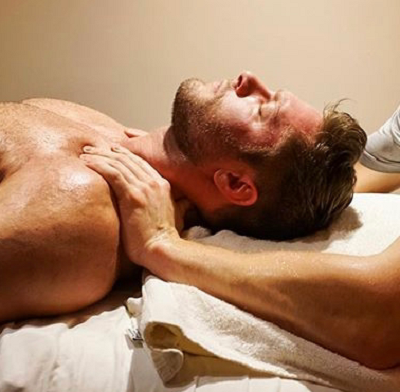


Like the view of a man giving another man the gift of his attention to the others senses and body.
And the acceptance of that attention to feel cared for and the pleasure experienced.
Im so interest in your work. As I never had a massage by a male before n so want the feel of a male hands massaging my body. Its always been a fantasy of mine that I realized that Im pansexual.
Great blog. Very helpful!